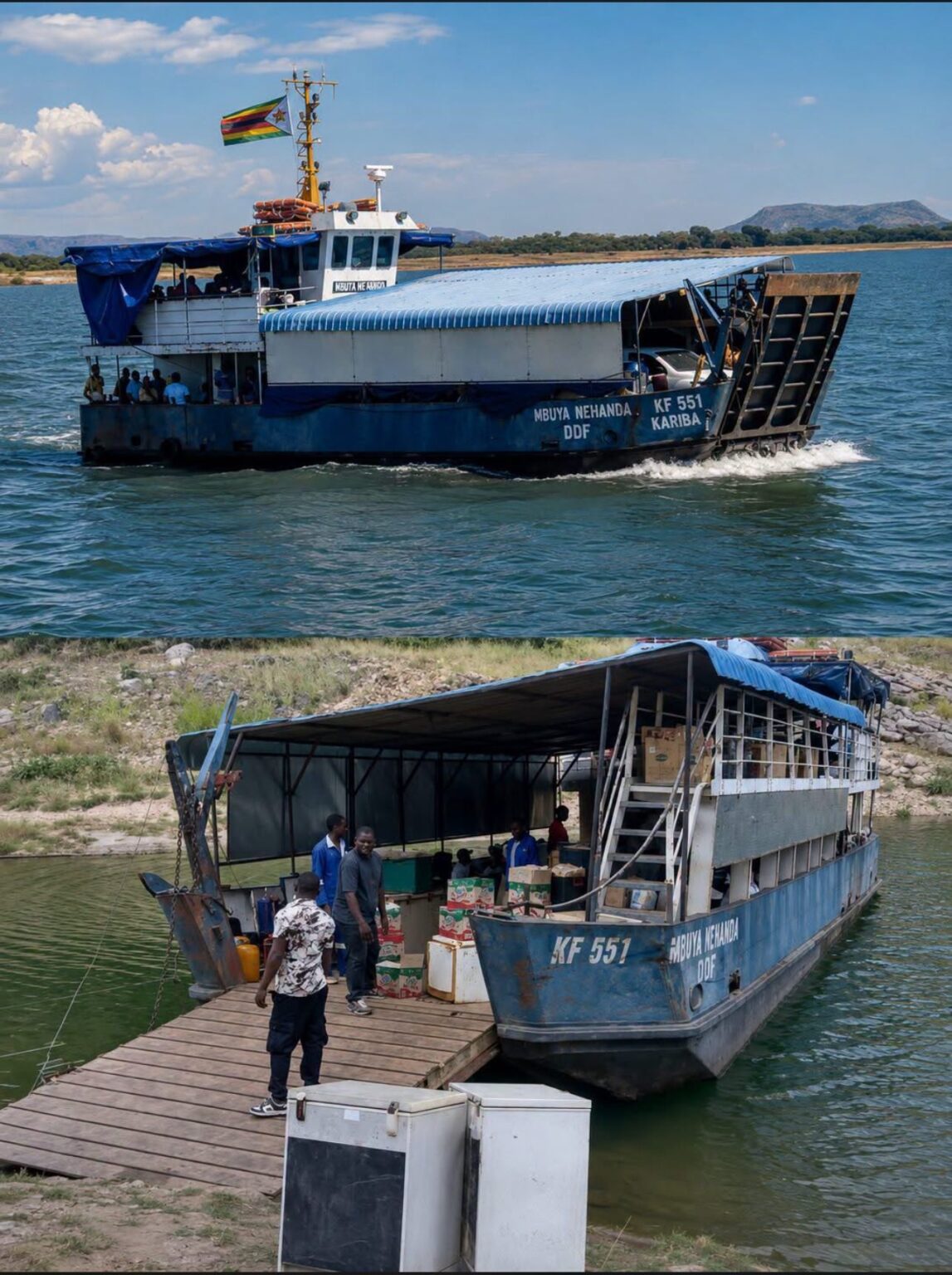
At least 44 people have died after a passenger boat capsized on Lake Kariba in Zimbabwe, in one of the country’s deadliest recent maritime disasters. The tragedy occurred on Tuesday, 11 August 2026, as the vessel was travelling from Kariba town towards fishing camps and islands on the lake.
The vessel, identified in local reports as the Mbuya Nehanda, encountered large waves roughly 30 minutes into its journey before overturning. Early reports indicated that the boat was carrying substantially more people than its authorised capacity. The vessel was designed to carry about 90 passengers, while ticket records indicated that 114 adults and five crew members were aboard. Authorities believe the actual number may have been higher because some children may not have been issued tickets.
The death toll rose rapidly as rescuers recovered bodies from the lake. Initial reports put the number of confirmed deaths at 15, with 27 people missing and 77 rescued. By Wednesday, Zimbabwean authorities had confirmed that at least 44 people had died.
Rough waters and overcrowding
Survivors have described frightening conditions aboard the boat shortly before it capsized. According to accounts reported by the Associated Press, passengers noticed water entering the vessel and repeatedly urged the captain to turn back as waves grew stronger. Some passengers reported that goods were also being swept or thrown overboard.
The apparent overcrowding has become a major focus of the disaster. With the vessel’s stated capacity at about 90 people, reports that more than 150 people may have been aboard have raised serious questions about passenger safety, ticketing and enforcement of maritime regulations.



Rescue operation
A major rescue operation was launched after the boat overturned. Emergency teams, including the Zimbabwe Republic Police, the Civil Protection Unit, boat crews and specialist underwater teams, were involved in the search for survivors and missing passengers. Helicopter support was also reported during the operation.
Some survivors managed to cling to the overturned hull or floating objects until rescuers reached them. The scale of the search has been complicated by the uncertainty over the total number of people who were aboard.
Questions over safety
The disaster has renewed concerns about safety standards on Lake Kariba, a vast reservoir shared by Zimbabwe and Zambia and an important transport route for communities living around its shores. Local concerns had previously been raised about the condition of the ageing vessel and its ability to operate safely in difficult lake conditions.
The tragedy is likely to prompt renewed scrutiny of passenger limits, vessel maintenance, weather monitoring and enforcement of safety regulations. Authorities are expected to investigate the circumstances surrounding the capsize and determine whether safety procedures were followed.
For families waiting for news of relatives, however, the immediate priority remains the recovery of those still missing and the identification of victims.
The Lake Kariba disaster is a stark reminder of the dangers faced by communities that depend on water transport—and of how quickly changing conditions on a vast inland lake can turn an ordinary journey into a catastrophe.